



A First-Timer's Guide to the Cotswolds: Which Village to Visit and Why
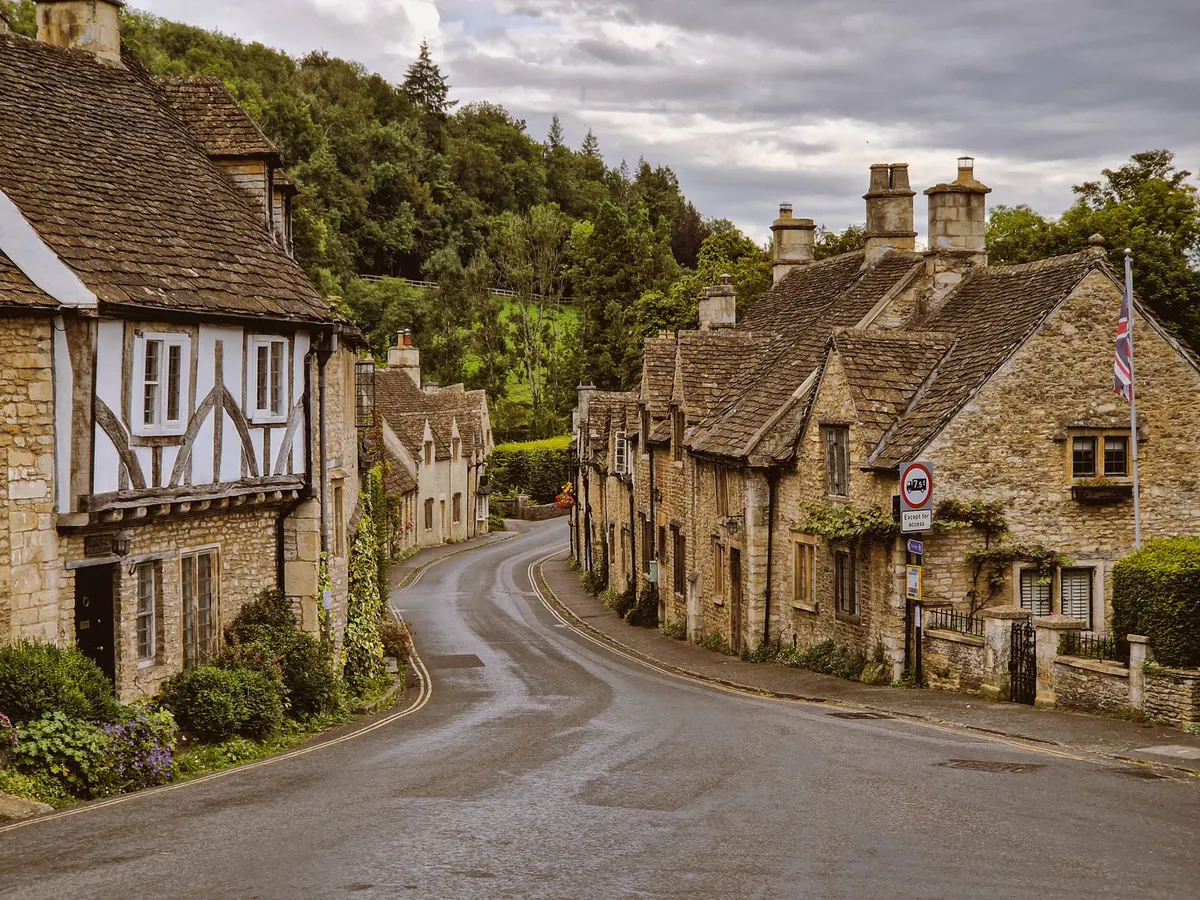
Three villages carry most of the Cotswolds' reputation: Bibury, Castle Combe and Bourton-on-the-Water. They appear on every list, they fill every coach, and they are all genuinely lovely. They are also very different days out. Pick the wrong one for your circumstances — arriving by train, say, or travelling with three restless children — and you'll spend more time in traffic than on a village green.
Here's how to choose, based on the three things that actually shape a first visit: how you're getting around, how much company you can tolerate, and what you're hoping to see.
Start with how you're getting there
This is the decision that rules out more villages than anything else. The Cotswolds have very few railway stations, and almost none of them sit in the villages people come to see. The Cotswold Line runs from Oxford up through Charlbury, Kingham and Moreton-in-Marsh; Kemble serves the Cirencester area; Chippenham, just outside the region, is the practical station for Castle Combe. Beyond those, you're looking at taxis, which you should book in advance, or a hired driver-guide for the day.
Buses exist. Several routes connect the larger villages and towns — Bourton, Stow, Burford and Cirencester are reasonably well linked — but timetables are thin, Sunday services are patchy, and a two-bus journey can eat an afternoon. If you want to see three villages in a day, a car makes the difference. If you'd rather not drive, choose one village and treat it as the whole outing.
Bibury: go for the photograph, not for the calm
Bibury's Arlington Row is the image most people carry in their heads before they arrive: a low row of former weavers' cottages climbing away from the River Coln, built of that grey-gold limestone, with the water meadows behind. It is a short walk from the road, and it repays an unhurried half hour. Add the Saxon church, the mill and the trout farm, and you have a comfortable morning.
The catch is that everybody else has the same idea. Bibury is small, parking is limited, and coach parties tend to land mid-morning. Arrive before nine, or come back after four in summer, and the row is a different place. Between those hours, expect to share the view.
Castle Combe: the film-set village
Castle Combe sits at the southern edge of the Cotswolds in Wiltshire, and it is often described as the prettiest village in England — a claim it can mostly carry off. The village has no through road, so the noise you hear is the By Brook rather than traffic. There's a market cross, a church with a medieval clock, and a main street of stone houses that has done service in more than one period drama.
You park above the village and walk down, which naturally limits how many cars end up in the photographs. It's the best choice if you're coming from Bath, Bristol or Chippenham, and it pairs neatly with a National Trust village such as Lacock a short drive away. The trade-off is that there is very little else to do here: no museum, one or two places to eat, and a visit measured in a couple of hours rather than a day.
Bourton-on-the-Water: the one that works with children
Bourton is the Cotswolds at their most sociable. The River Windrush runs straight through the middle, crossed by a series of low stone bridges, and the whole village is flat, open and easy to walk. It has the amenities the smaller villages lack: a model village, a bird park, a motoring museum, gardens, ice cream within reach of every bench.
It is also the busiest of the three in high season. Come in July or August and you'll queue for parking and shuffle along the bridges. Come in late September, on a weekday, and it's a pleasure. If you're travelling with young children or anyone who finds steep lanes difficult, Bourton beats Bibury and Castle Combe comfortably — and Lower Slaughter, a gentle mile's walk upstream along the river, gives you the quiet version when you need it.
If you'd rather avoid the crowds altogether
The three famous villages are famous for a reason, but the Cotswolds are dense with alternatives that are every bit as handsome and far less photographed. Consider these:
- Stow-on-the-Wold — a proper market square, good pubs, antique shops, and enough parking to make it a practical base.
- Chipping Campden — a long, wide high street of golden stone, a 17th-century market hall, and the northern trailhead of the Cotswold Way.
- Lower and Upper Slaughter — two hamlets on the River Eye, joined by a footpath, with a restored mill and almost no traffic.
- Burford — a wide sloping high street, a good gateway if you're arriving from Oxford, and useful shops and cafés.
- Painswick — hilly, quiet and full of odd corners, with a churchyard famous for its clipped yews.
These are not consolation prizes. They are simply villages where tourism hasn't fully taken over the pavement.
Matching the village to your interests
If you're still undecided, work backwards from what you actually want to do:
- Serious photography: Bibury at dawn, Castle Combe on a damp morning, Lower Slaughter at any hour.
- Children under ten: Bourton-on-the-Water, then the walk to Lower Slaughter.
- A long lunch and a browse: Stow-on-the-Wold or Burford.
- Walking: Chipping Campden northwards, or the Windrush valley around Bourton.
- Architecture and church-crawling: Chipping Campden, Northleach or Cirencester.
- Arriving by train without a car: Moreton-in-Marsh or Kingham, then Stow or Bourton by taxi or bus.
Practical notes for the day itself
Two or three villages is a full day. One village plus a decent lunch is often better. Most of these places are small enough to cover on foot in an hour or two, so the pleasure lies in the gaps between them — a lane, a footpath, a pub garden.
Aim to be parked before ten and you'll have the best of it. Bring cash for the occasional honesty box and small car park, check bus timetables the day before rather than trusting a memory of one, and download an offline map: signal in the valleys is unreliable. Wear shoes that can handle uneven stone and wet grass. And remember that these are working villages, not sets — keep off private ground, don't block driveways, and keep voices down outside people's windows.
Winter and early spring are underrated here. The light is low and long, the pubs have fires, and you may find you have Bibury's Arlington Row almost to yourself.
Photo: Adrian Limani / Pexels