

Cotswolds Farmers' Markets: A Seasonal Guide to What's in Season and Where to Go
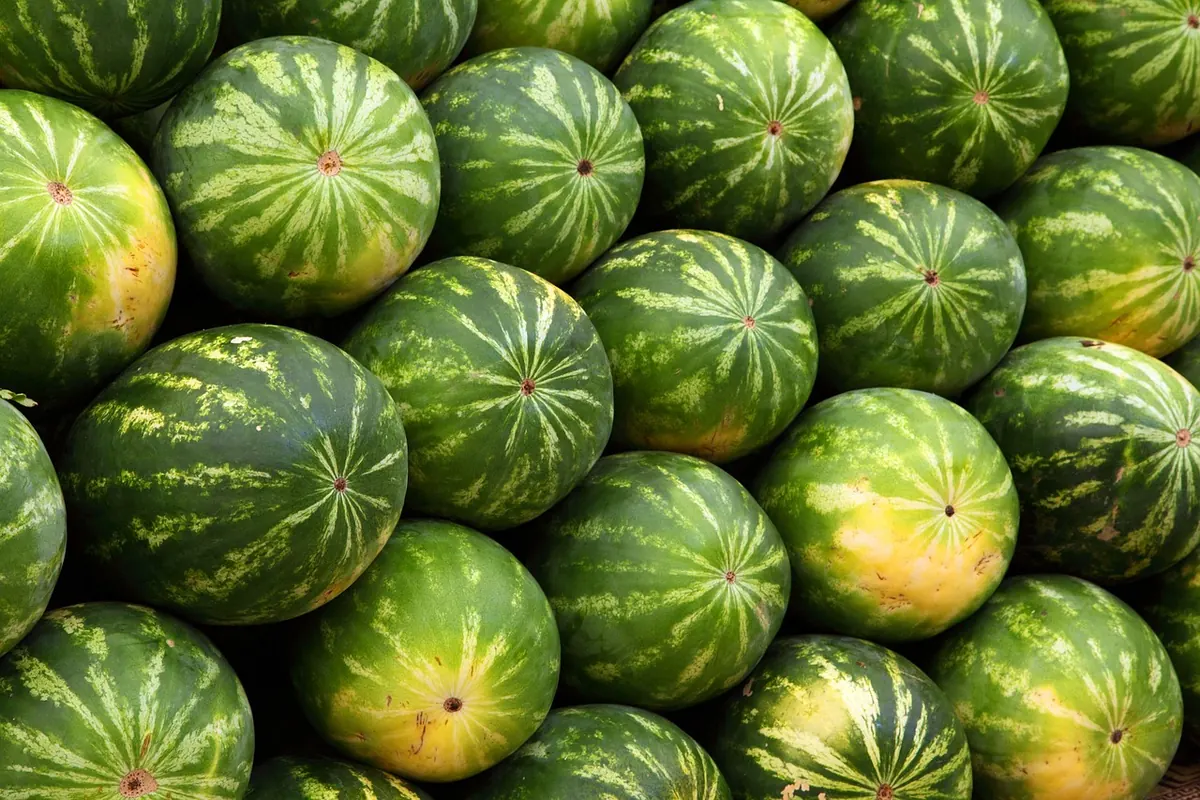
The best way to eat in the Cotswolds is to follow the calendar rather than the menu. A farmers' market in Stroud in February looks nothing like the same square in August: the trestles shift from leeks, sprouts and stored apples to asparagus, then strawberries, then squash and cobnuts. Buy what is on the table that week and cooking gets easier, cheaper and a great deal better.
Cotswold markets are also stricter than they look. Most require stallholders to be producers themselves, or to sell on behalf of one, and to come from within a set radius of the town. That is why you rarely see the same dozen stalls at every market — and why the person behind the cheese counter is usually the person who made the cheese.
Spring: rhubarb, wild garlic and the asparagus window
March is still root-vegetable country. Expect parsnips, leeks, celeriac, swede, kale, spring greens, purple sprouting broccoli and the last of the stored apples. Forced rhubarb is the treat of the month — look for tight pink bundles — and outdoor-grown stalks follow from April.
By late March, foragers begin turning up with wild garlic, sold by the bag and best used within a day or two in soup, pesto or butter. Then the season turns properly. English asparagus traditionally starts around St George's Day in late April and runs to mid-June; buy bundles with tight, dry tips and cook them the same day. Spring lamb arrives around Easter, and May brings broad beans, early peas, new potatoes, salad leaves, radishes and soft herbs. The first strawberries usually appear at the end of May — expensive, small and worth every penny.
Summer: berries, beans and the tomato flood
June is the month to buy fruit by the tray rather than the punnet: strawberries, gooseberries, raspberries and blackcurrants, plus the first cherries from the orchards around the Vale of Evesham. Elderflower is in the hedges and often on the stalls, along with cordials and vinegars made from it.
July and August are when the tables get heavy. Courgettes, runner beans, cucumbers, garlic, sweetcorn, plums, damsons and the first outdoor tomatoes — the ones that actually taste of something. This is also the moment to buy a glut cheaply and preserve it: tomato sauce for the freezer, courgettes sliced and salted for fritters in January, plums in brandy. Ask the grower which variety they would choose for cooking rather than eating raw; they will tell you, usually at length.
Autumn: apples, game and the winter store
September is the finest month of the market year. Apples come in waves — early Discovery, then Coxes and Bramleys — alongside pears, damsons, blackberries, cobnuts, squash and field mushrooms. The game season also gets going as summer ends and runs through the winter, so expect partridge, pheasant and venison alongside the usual beef and lamb.
In October and November, buy a box of apples and pears for storing in a cool, dark shed or garage, and keep a eye on them. Quince, pumpkins, Jerusalem artichokes, chestnuts, kale and celeriac all appear. Chard and cavolo nero survive light frosts and only improve.
Winter: brassicas, leeks and long cooking
December is the month for leeks, parsnips, Brussels sprouts (sweeter after a frost), celeriac, kale and squashes, plus game and the full range of local cheese. If you want a goose or a turkey from a named farm, order it in early November — the good ones go quickly.
January is the leanest, most honest month: stored roots, apples and pears, forced rhubarb just beginning, and Seville oranges arriving for marmalade. February brings purple sprouting broccoli, watercress, chicory and the first signs of green, and by then you will be glad of everything you salted, bottled or froze last summer.
Which Cotswold market towns to plan around
- Stroud — Saturday mornings, and the biggest and busiest in the area. Strong on cheese, bread, vegetables and hot food. Arrive before ten for the best of it.
- Cirencester — a monthly farmers' market in the town centre, alongside the long-running charter market. Good for meat, cheese and goat's dairy from around the town.
- Tetbury — compact and civilised, with excellent bakers, charcuterie and preserves. Easy to combine with the antiques shops.
- Chipping Campden and Broadway — smaller monthly markets in the north Cotswolds. Look for rare-breed pork, apple juice and locally milled flour.
- Moreton-in-Marsh — the Tuesday street market is a general market rather than a producers' one, but still useful for plants, tools and bulk vegetables.
- Burford, Winchcombe, Nailsworth, Minchinhampton, Chipping Norton, Witney and Malmesbury — smaller markets with loyal local followings. Worth checking listings if you are nearby.
Days and dates do change, and some markets run weekly while others are monthly. Check the town council or the market's own page before you set off, especially in winter.
How to shop a market well
- Go early for choice, or in the last half hour for bargains. Mid-morning is the crush.
- Take cash as well as a card, and take your own bags — plus a cool bag in summer if you are driving home slowly.
- Buy one thing you have never cooked before. Ask the grower how they cook it.
- Look for the less pretty boxes. Split cauliflowers, small potatoes and windfall apples are usually the best value on the field.
- Buy in bulk when something is at its peak, then deal with it that afternoon rather than leaving it in the car.
- Walk the whole market before you spend. The best stall is often the quiet one at the far end.
- If you have allergies or dietary questions, ask the producer directly — small makers know their ingredients in detail and are usually happy to talk.
Plan one market a month and you will eat the Cotswolds properly by the end of a year: asparagus in May, tomatoes in August, apples in October, sprouts at Christmas. Take a basket, allow an hour more than you meant to, and let the season do the menu planning.