
Best Cotswolds Pub Lunch: How to Choose Between a Village Inn and a Gastropub
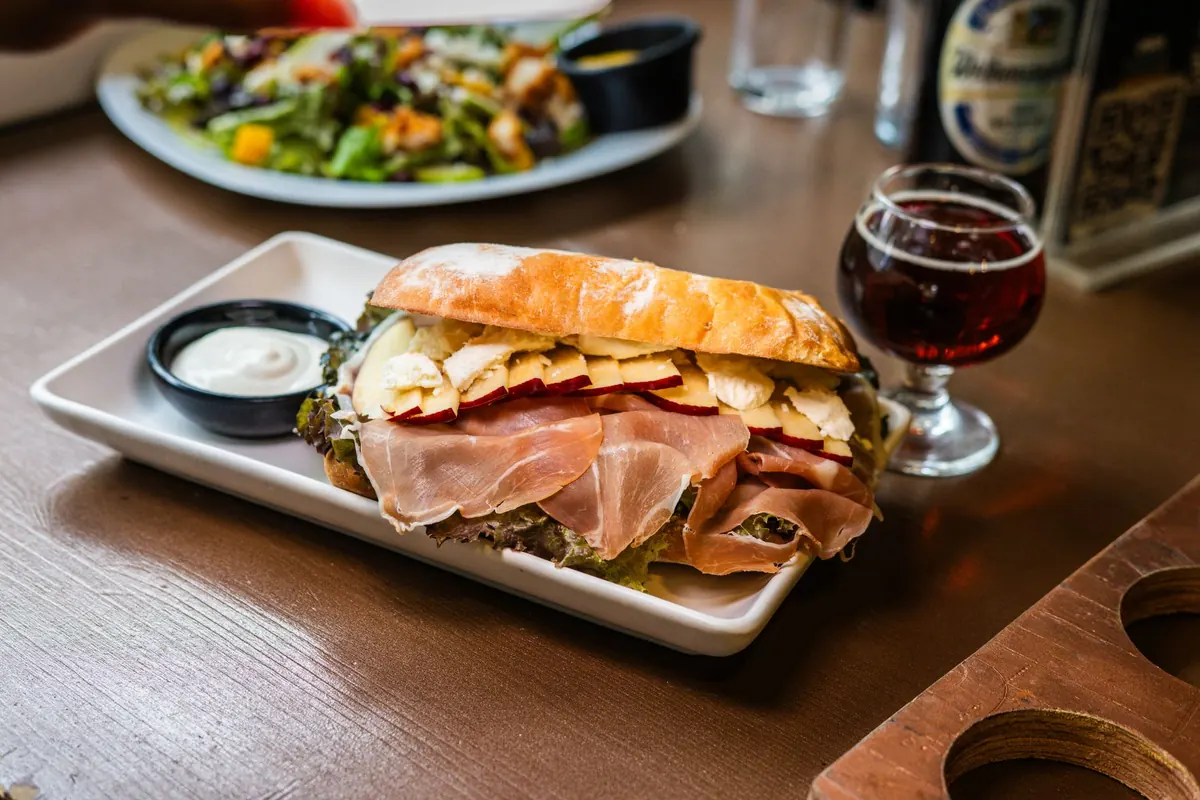
A Cotswolds pub lunch can be two entirely different meals, and the sign above the door rarely tells you which one you are walking into. One is a plate of ham, eggs and chips in a low-ceilinged room where the fire has been going since October. The other is a chalkboard of grilled hake and heritage tomatoes in a dining room painted the same soft grey as every other dining room you have liked lately. Both can be very good. Choose the wrong one for the day you are having, and you will spend the afternoon faintly disappointed, wondering why the pub in the next village felt so much better.
Start With the Day, Not the Pub
Before you open the map, decide what the lunch is actually for. If the plan is a four-mile walk, wet boots, a muddy dog and a pint at the end of it, you want the village inn. If the plan is a birthday, a two-hour catch-up with someone you have not seen since spring, and a bottle of something cold, you want the gastropub.
Most disappointing pub lunches in the Cotswolds are not the result of bad cooking or rude staff. They are a mismatch between the room and the occasion. A terrific inn is a terrible place to hold a quiet conversation on a Sunday at one o'clock. A polished gastropub is a strange place to sit in a waterproof jacket with a wet spaniel under the table.
Atmosphere: Two Very Different Rooms
In a village inn, the bar is the point and the food is a happy consequence of it. Locals hold up one end, dogs sleep under tables, the floor slopes, and there may be a television in the corner showing racing with the sound down. You may be asked to share a table. Service is friendly and unhurried, and at peak Sunday lunch it can be genuinely stretched.
In a gastropub, the dining room is the point and the bar is somewhere you wait. There is a card with your name on it, the pace of the meal is deliberate, and the tables are far enough apart that you can hear each other. Dogs, if welcome at all, are often confined to the bar or the garden.
A village inn is not trying to be anything else, and that is exactly the appeal.
Reading the Menu
The menu is the clearest signal of what you are about to get, and it takes about thirty seconds to read it properly.
Signs of a village inn doing it well
- A short list of eight or ten dishes rather than thirty.
- Ham, egg and chips, a pie, fish and chips, a ploughman's, a roast on Sunday.
- A pint from a brewery a few miles away, kept properly and served at the right temperature.
- Specials that shift with the season, the garden or what the butcher had that morning.
- Fresh bread and chips cut from actual potatoes.
Signs of a gastropub doing it well
- A menu that changes every few weeks, with dishes you would struggle to reproduce at home.
- Fish and vegetables named, or at least described as seasonal.
- Three or four things cooked with real care rather than twenty done adequately.
- Front-of-house staff who can tell you what is in a dish without going to ask the kitchen.
Neither list is a guarantee. A long laminated menu in a thatched building is a warning; so is a gastropub menu of borrowed buzzwords with nothing specific in it.
What the Bill Actually Looks Like
The gap between the two is rarely in the main course alone. At a gastropub, expect the food to be the main event and priced accordingly, with bread, sides, desserts and coffee each adding a little more. Wine is where a leisurely lunch quietly becomes expensive.
At an inn, the food is usually the cheaper half of the bill, and the portions are often larger. The risk runs the other way: settle in by the fire at half past twelve and the drinks tally can quietly overtake anything a gastropub would have charged you.
The cheapest genuinely good lunch in the Cotswolds is often a bowl of soup, a sandwich or a plate of chips taken at the bar of an inn, with a pint, no table booked, and no plan for the rest of the afternoon. If the bill matters, look at the menu in the window or on the website before you sit down, and decide then.
Booking Strategy
- Book the gastropub; think twice about booking the inn. Inns usually hold tables back for drinkers and walkers, and a reservation can land you in a quieter dining room away from the bar you came for.
- Ring rather than book online if you need to ask about dogs, highchairs, step-free access, or whether the table is in the bar or the back room.
- Aim for noon or after two. The hardest slot in the Cotswolds is Sunday between about half past twelve and two, in any village with a reputation.
- Check the kitchen hours and closing days before you drive. Many village kitchens serve twelve until two only, plenty close on a Monday or Tuesday, and a fair number stop serving food on Sunday evening.
- Ask about the garden if the weather is borderline. Gardens fill first, and many have little or no cover.
- Say if you are walking and might run late. Inns tend to be forgiving; a telephone call makes them more so.
Matching the Pub to the Party
Dogs do far better in inns, though the bar rather than the dining room is often the limit. Children are usually easier in a gastropub, where highchairs, smaller portions and space between tables are standard; some inns have their own rules about children in the bar in the evening, so ask. Groups of six or more should book a gastropub, without exception. Anyone eating alone will be more comfortable on a stool at an inn, where nobody will think it odd.
For walkers, the deciding factor is location rather than style. Villages strung along footpaths and green lanes tend to have inns that expect muddy boots; villages that draw coach parties tend to have pubs that do not.
The Two-Minute Decision
If the lunch is the occasion, book a gastropub a week ahead, take your time, and order the thing you would not cook at home. If the lunch is one part of a day outdoors, find an inn, arrive early or late, sit near the bar, and keep it simple.
One last habit worth borrowing: keep a fallback village in mind. Cotswolds pubs fill, kitchens close early, and the best lunch of a trip is often the unplanned one — pull into a village, read the menu in the window, and if it is short, seasonal and honest, go in.
Photo: Kuiyibo Campos / Pexels